CPAP
Uses air pressure through a mask to keep the airway open during sleep.
- Often provides stronger control of breathing events.
- Mask fit, comfort, and consistent use matter.
- Your medical team manages pressure and treatment changes.
 Talk with our team
 Explore a different approach to sleep apnea treatment.
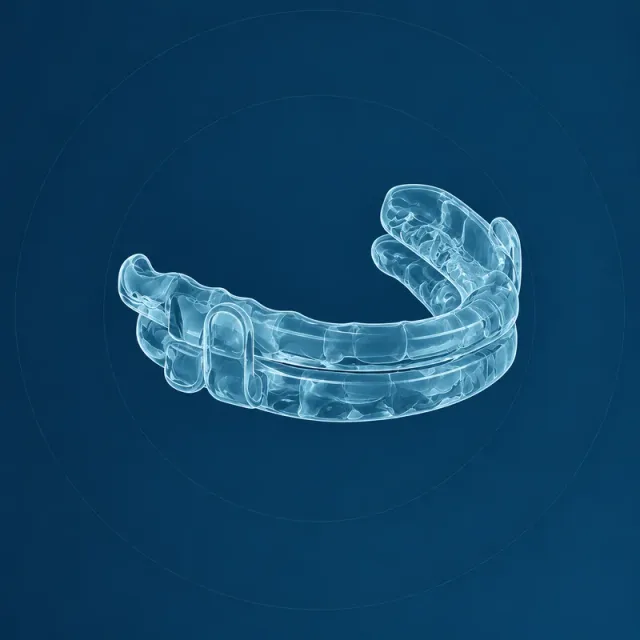
A custom oral appliance is worn during sleep to help keep your airway open. No mask, tubing, or motor.
Talk with our teamPersonalized care in Raleigh, North Carolina.
Ask about oral appliance therapy, insurance, or preparing for a consultation. Our Raleigh team will help you understand where to begin.
This is a consultation request, not a confirmed appointment. Our team will follow up about visit type and scheduling.
Prefer to call? 919-307-8960Monday–Thursday, 9 am–3 pm
Friday by appointment
Use our contact form to get started.
Having trouble? Open the contact form.
Please wait for secure sharing instructions before sending records, ID, or insurance images.
Mask discomfort, dryness, leaks, or difficulty using CPAP consistently are worth discussing with your care team.
Sometimes changes to your existing treatment help. For some patients, a custom oral appliance may be an option. Others may benefit from combined treatment.
Your diagnosis, sleep apnea severity, teeth, jaw, and health history all matter. Keep using prescribed treatment until you and your medical provider agree on a plan.
An oral appliance supports the lower jaw forward. This can bring the tongue and connected tissues forward to help keep the airway open.
With an appliance: supporting the lower jaw forward can help reduce airway collapse during sleep.

Adjustment is individual. Moving the jaw farther forward is not always better.
The right choice is the one that fits your clinical needs and is verified to work for you.
Uses air pressure through a mask to keep the airway open during sleep.
Supports your lower jaw forward while you sleep.
An appliance is not right for everyone and is not a guaranteed replacement for CPAP. In some cases, both can work together.
Our team checks participation and benefits for your specific plan and helps explain the next steps.
We also work with other plans and benefits, including Medicare. Network participation, coverage, authorization requirements, and out-of-pocket costs vary by plan.
See insurance and cost details →Benefits verification is not a guarantee of coverage or payment.
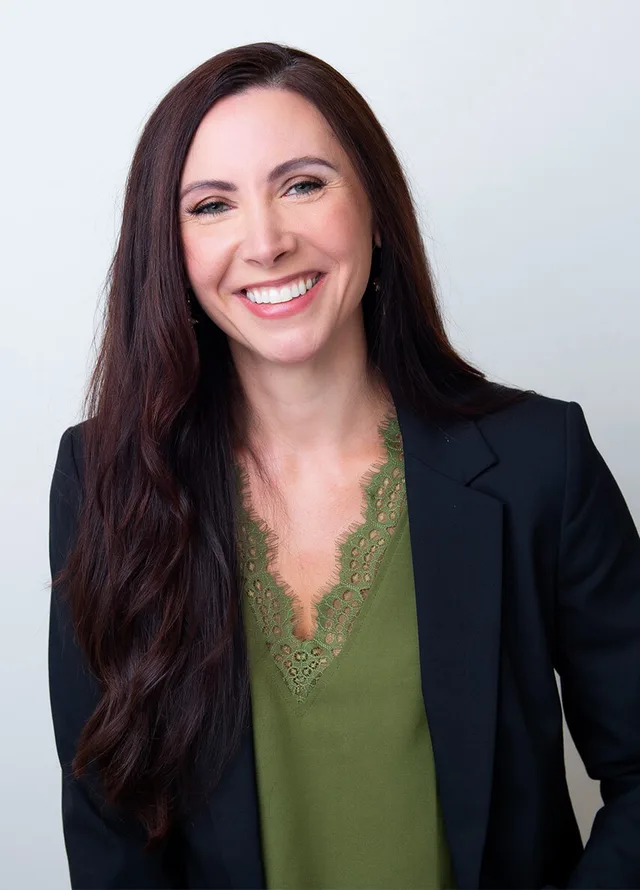
Dr. DeSaix founded RespAir Sleep to give patients more options for better sleep and healthier breathing.
Diplomate, American Board of Dental Sleep Medicine
Diplomate, American Sleep and Breathing Academy
Share your questions. Our team explains records, insurance, and scheduling.
Your diagnosis and dental evaluation help determine whether an appliance fits your needs.
Care continues with fitting, adjustments, and testing to evaluate your treatment response.
No. A custom sleep apnea appliance is fitted and adjusted as part of a treatment plan. A general mouthguard is not a substitute for prescribed sleep apnea treatment.
Oral appliance treatment for obstructive sleep apnea requires a physician’s diagnosis and prescription, followed by a dental evaluation. If you already have a study, our team can explain how to share it securely. If not, we can help you understand the next step.
Do not stop prescribed therapy without speaking with your medical provider. Your team will discuss a treatment plan and how to check whether it is working.
Coverage depends on your specific plan, clinical criteria, benefits, and authorization requirements. Our team can help check these details. Verification does not guarantee payment.
Jaw or tooth discomfort, saliva changes, and bite changes can occur. Fitting, careful adjustment, and ongoing follow-up are important parts of care.
RespAir Sleep offers virtual and in-person consultations. Our team can help determine which type of visit is appropriate and what requires an in-person evaluation.
Talk with our Raleigh team about oral appliance therapy and your next step.
Talk with our team4325 Lake Boone Trail, Suite 214 · Raleigh, NC 27607